Key Takeaways
- Most Singapore aircons last 8 to 15 years, less with neglect, more with care.
- Servicing every 3 to 4 months is the single biggest factor in extending aircon lifespan.
- Knowing the signs your aircon is failing can save you from costly emergency replacements.
- If repair costs exceed 50% of a new unit's price, replacement is usually the smarter choice.
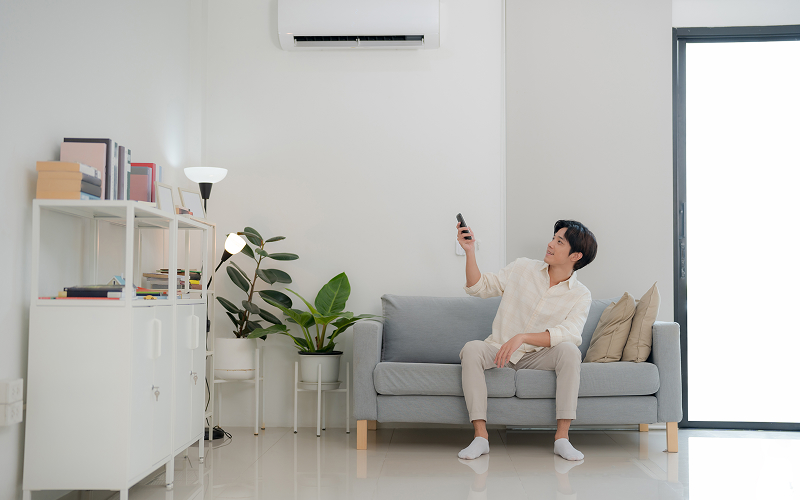
Air conditioning has become essential in Singapore’s tropical climate, running for far longer hours each day than units in cooler countries. But how long should your aircon actually last, and what can you do to get the most out of it?
This guide covers everything Singapore homeowners need to know: the typical aircon lifespan by type and brand, the factors that speed up wear and tear, and practical steps to keep your unit running efficiently for years to come.
What Affects How Long an Air Conditioner Lasts?
No two units age at the same rate. These are the factors that matter most:
-
Unit Quality and Brand
Air conditioners from established, reputable manufacturers are built with more durable components, better compressors, corrosion-resistant coils, and longer-lasting refrigerant systems. A budget unit purchased to save $300 upfront may cost far more in repairs and early replacement.
-
Age of the Unit
Newer models benefit from advances in engineering and materials. An AC purchased in the last five years is simply built to last longer than one from fifteen years ago, even from the same brand.
-
How Often You Use It
An air conditioner running 10 to 12 hours daily ages faster than one used only in the evenings. In Singapore's year-round heat, most units operate under significantly heavier load than the global average, which is precisely why maintenance here matters more, not less.
-
Climate and Operating Environment
Extreme heat, persistent humidity, and coastal salt air all accelerate wear on internal components. Singapore's tropical climate is particularly demanding on compressors and refrigerant systems, making regular servicing non-negotiable rather than optional.
-
Maintenance History
This variable is entirely within your control. A well-serviced unit with clean filters, clear coils, and properly functioning drainage will consistently outlast a neglected one, often by five years or more.
Average Lifespan by AC Type
| AC Type | Average Lifespan |
|---|---|
| Cassette aircon (commercial/ceiling) | 10 – 15 years |
| Split-type (wall-mounted) | 10 – 15 years |
| Window unit | 8 – 10 years |
| Portable air conditioner | 5 – 8 years |
| Well-maintained modern unit | Up to 20 years |
How to Maximise Your Air Conditioner's Lifespan?
Regular Maintenance
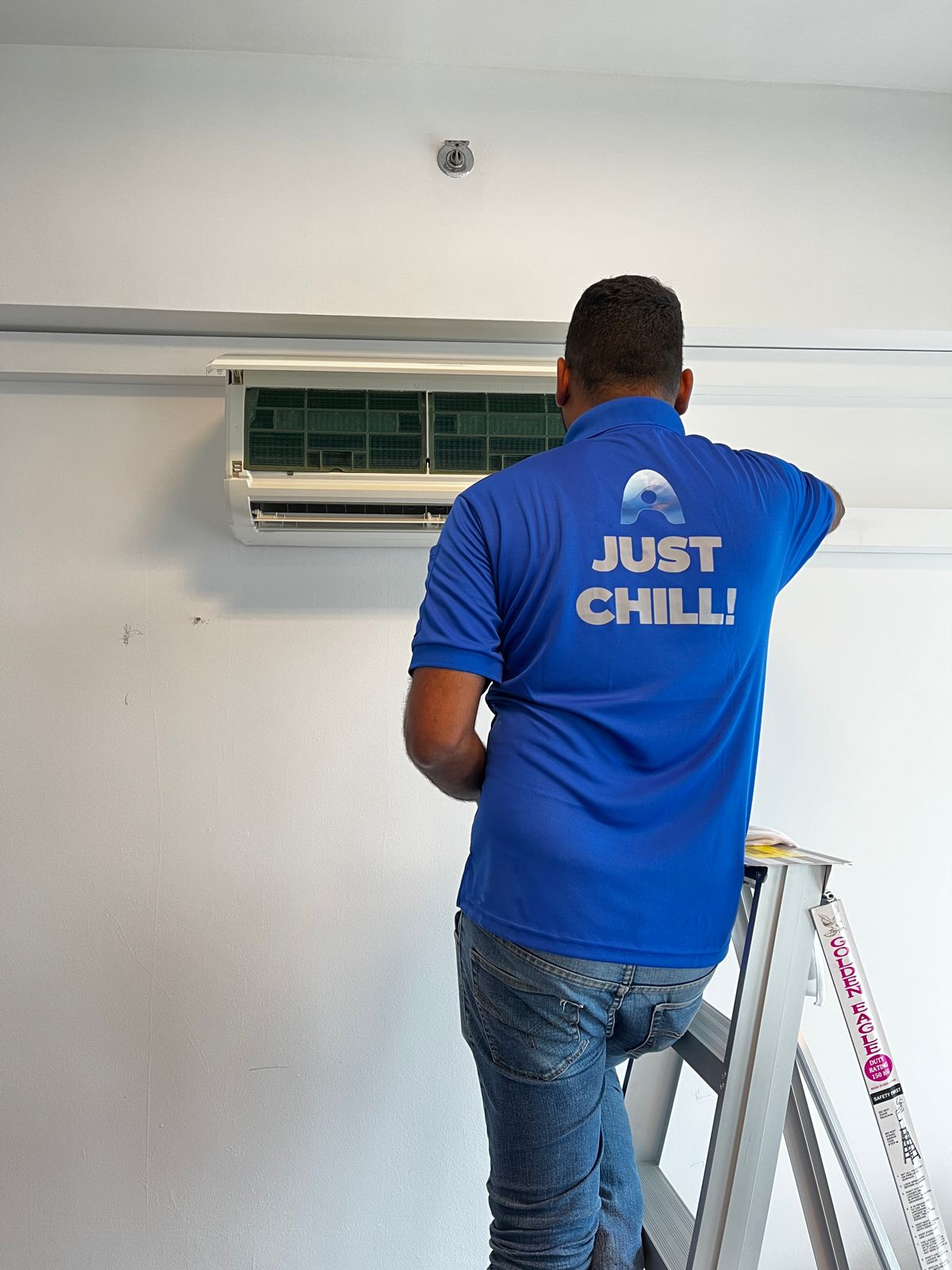
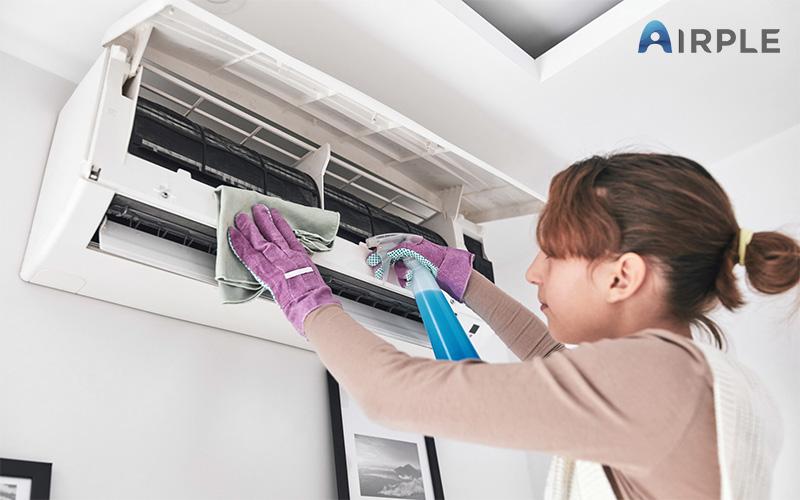
Routine aircon maintenance is one of the most effective ways to prolong your aircon’s lifespan and preserve its performance. In Singapore’s humid environment, dust and moisture accumulate quickly, which can restrict airflow and cause the unit to work harder than necessary.
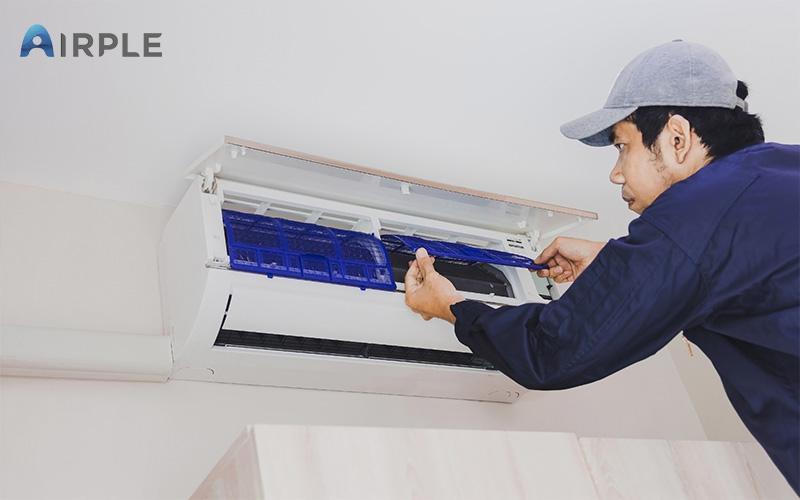
- Clean or replace air filters: Filters trap dust, allergens, and pollutants, but when clogged, they reduce efficiency. Clean reusable filters every two to four weeks or replace disposable ones as recommended. This ensures that air flows smoothly and prevents the compressor from overworking.
- Clear the condenser unit: The outdoor compressor plays a crucial role in heat exchange. Keep it free of leaves, shrubs, and dirt to allow proper ventilation and heat dissipation.
- Schedule professional servicing: Even if your aircon appears to be working well, regular check-ups by a technician can uncover hidden issues such as refrigerant leaks, wiring faults, or motor problems. A professional aircon service typically includes cleaning the coils, checking the refrigerant level, and testing overall performance. After all, it is the little things that ultimately determine the lifespan of your aircon.
- Maintain the drain pan and drain line: Clogged drains can cause water leakage and mould growth. Cleaning them regularly helps prevent blockages and unwanted odours.
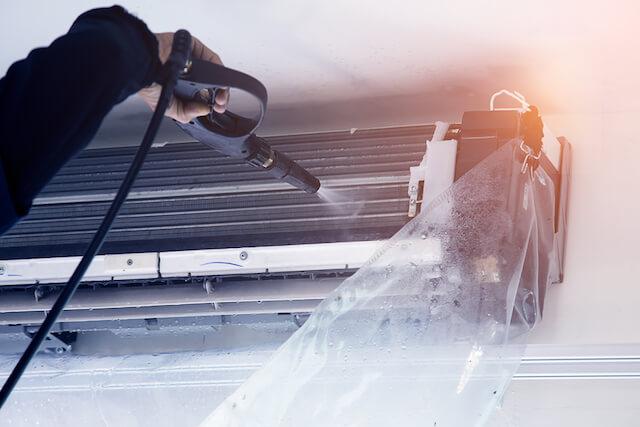
For deeper cleaning, an aircon chemical wash can be useful in removing stubborn dirt and bacterial build-up within the cooling coils and blower. This service helps restore cooling efficiency and reduces strain on internal components.
Smarter Usage Habits
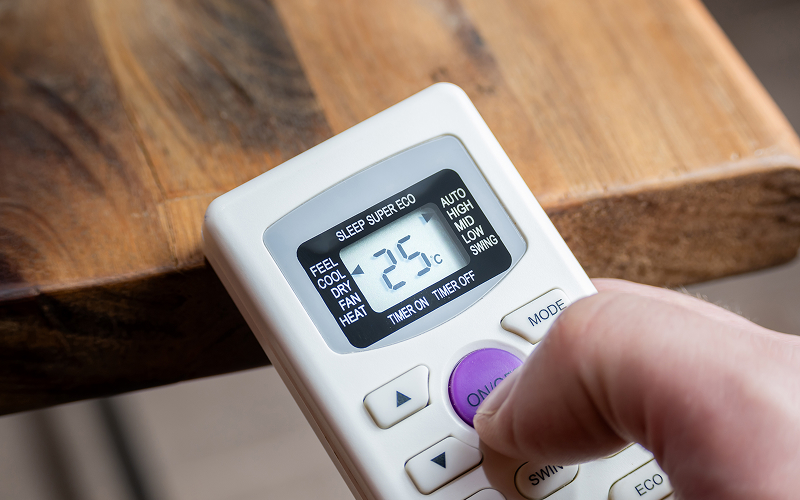
Good habits go a long way in reducing unnecessary stress on your system. Small adjustments in how you use your air conditioner can significantly impact its performance and the overall air conditioner lifespan.
- Set an efficient temperature: Keeping your thermostat between 22°C and 25°C strikes a balance between comfort and efficiency. Setting it too low forces the compressor to work harder, leading to faster wear.
- Use timers and auto modes: Allow the aircon to regulate itself using built-in features rather than adjusting settings manually throughout the day.
- Avoid overuse: Switch off the unit when no one is at home, or rely on fans during cooler evenings. This gives the system time to rest, extending its working years.
- Block out direct sunlight: Closed curtains or blinds during the hottest hours help reduce indoor heat gain, allowing the aircon to cool the room more easily.
- Reduce indoor heat sources: Lights, appliances, and electronics generate heat. Turning them off when not in use can ease the load on your air conditioning system.
Implementing these practices ensures that your split-type aircon lifespan is not shortened by overuse or inefficient operation. These systems, commonly installed in Singapore homes and offices, rely on both indoor and outdoor units working in tandem. When either part is strained by constant temperature changes, blocked filters, or poor airflow, the overall system performance declines. Consistent maintenance and balanced usage help both components operate efficiently and last longer.
Ensuring Proper Airflow
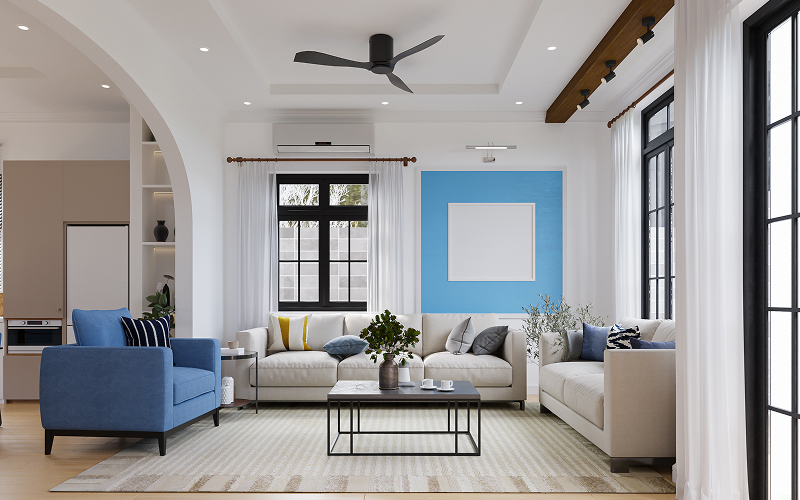
Smooth airflow ensures your air conditioner operates efficiently without excessive strain. When airflow is obstructed, the system compensates by working harder, which may shorten the aircon lifespan in Singapore’s demanding climate.
- Keep vents unobstructed: Avoid placing furniture or large objects near vents, as these can disrupt air circulation.
- Use fans to assist cooling: Ceiling or standing fans distribute cool air evenly, reducing the time the aircon needs to run.
- Act on warning signs early: Strange noises, water leaks, or reduced cooling performance should not be ignored. Prompt repairs prevent small issues from escalating into costly replacements.
Repair or Replace? A Simple Framework for Singapore Homeowners
Use the 50% Rule: If the cost of repair exceeds 50% of what a new, equivalent unit would cost, replacement is generally the more economical choice, especially once the unit is past the 10-year mark.
Lean towards repair if:
- The unit is under 8 years old
- The issue is minor (filter replacement, gas top-up, drainage unblocking)
- The unit has a clean servicing history
Lean towards replacement if:
- The unit is over 12-15 years old
- It requires compressor or PCB board replacement
- It uses R-22 refrigerant
- Energy bills are significantly elevated
By ensuring good airflow, you support better cooling performance and contribute to a longer aircon lifespan overall.
Maintaining your aircon's lifespan in Singapore comes down to three fundamentals: regular aircon servicing, smart usage habits, and acting on warning signs before small issues become expensive ones. With consistent upkeep, most units can serve you reliably for 12–15 years, providing comfortable, efficient cooling year-round.
As a trusted aircon service provider in Singapore, Airple offers comprehensive solutions from routine servicing and chemical washing to diagnostics and installation. Our technicians are experienced with all major brands, including Daikin, Mitsubishi Electric, Panasonic, and LG.
Ready to extend your aircon's lifespan? Book a professional aircon service with Airple today.
Contact us to schedule your next maintenance appointment.
Sign up for our newsletter
Get the best content on user insights, design, and product management delivered to your inbox every week.
Share This Article