Key Takeaways
- A musty or mildew smell is almost always caused by mould or mildew growth inside the unit on the coils, blower wheel, or drain pan.
- Singapore's year-round humidity makes aircon mould one of the most common household maintenance issues locally.
- Cleaning the filter alone will not fix it: if the smell persists, the mould is on internal components that require professional cleaning.
- Mould circulates live spores through your home every time the unit runs, triggering allergies and respiratory symptoms.
- An aircon chemical wash every 12 - 18 months is the most effective treatment for established mould build-up.
- Prevention is simple: clean filters every 2 - 4 weeks, service every 3 - 4 months, and keep the temperature at 24 - 26°C.
Part 1: Introduction

That musty or mildew smell from your air conditioner is not something to ignore, and it is almost never just a dirty filter. In Singapore's year-round heat and humidity, aircon mould is one of the most common household maintenance problems, developing silently on internal components long before any visible sign appears.
Whether you have noticed a damp, earthy odour every time the unit starts, spotted dark patches on the vents, or simply want to understand what causes mould to grow inside an aircon and how to stop it, this guide covers everything you need to know.
From the root causes and health risks to a clear step-by-step fix and a prevention schedule that works in Singapore's climate, you will leave knowing exactly what to do.
Understanding the Problem
Aircon mould and mildew form when moisture accumulates on internal components, most commonly the evaporator coils, blower wheel, and drain pan, and combines with the dust and organic debris that builds up during normal operation. Singapore's average humidity of 70–90% year-round means this is not an occasional problem. It is an ongoing one that every aircon owner here will encounter without consistent maintenance.
The smell is the most common first sign. But by the time you notice it, mould has typically been establishing itself inside the unit for weeks, circulating spores through your home every time the aircon runs.
Why It's Important to Address It Promptly
Leaving aircon mould untreated creates three compounding problems:
-
Declining Air Quality
Mould spores released into the air with each cooling cycle can trigger allergies, worsen asthma, and cause persistent respiratory irritation, particularly in enclosed, air-conditioned rooms where the same air is recirculated continuously. Research confirms that sustained mould spore exposure poses real health risks, especially for children, the elderly, and those with existing respiratory conditions.
-
Reduced System Efficiency
A mould-laden aircon is a less efficient one. Mould and biofilm on evaporator coils act as insulation, reducing heat transfer and forcing the compressor to work harder to achieve the same cooling output. This directly increases electricity consumption and accelerates wear on the compressor, the most expensive component in the system.
-
Escalating Repair Costs
Mould that is not addressed migrates deeper into the unit over time. What starts as surface growth on accessible components eventually reaches the condenser coil, refrigerant lines, and drainage system areas that require professional disassembly to service. Early intervention costs a fraction of what a chemical overhaul or component replacement does once the damage is established.
Understanding the causes and solutions is the first step toward a healthier, more efficient system and toward stopping a manageable problem before it becomes an expensive one.
Learn More: Is Your Air-Con Triggering Your Allergies?
Part 2: Common Causes of Air Conditioner Mildew Smell
2.1. High Humidity Levels
High humidity is one of the leading causes of air conditioners with mildew smell, especially in regions where humidity levels remain elevated for much of the year. Air conditioners work by removing excess moisture from the air as part of the cooling process. However, when the humidity is particularly high, the system may struggle to eliminate all the moisture effectively. This excess moisture can accumulate inside the unit, creating an ideal environment for mould and mildew to grow.
Moisture often settles on the evaporator coils and other components, especially if the air conditioner is not regularly maintained. When left unchecked, this growth not only causes an unpleasant musty odour but can also impact the unit's efficiency, forcing it to work harder to cool the air. This can be made more complicated if said component is in a hard-to-reach area. For instance, a professional aircon overhaul may be needed for a choke at the back of the evaporator coil.
To prevent moisture build-up, ensure that your air conditioner is properly sized for your space, as an undersized unit may struggle in humid conditions. Professional air conditioning installers will be able to advise you on what the ideal aircon size is. Additionally, perform regular aircon cleaning, maintain clean filters, and inspect components to help manage moisture levels and prevent mould growth.
2.2. Clogged or Dirty Air Filters
Air filters play a crucial role in maintaining the performance and cleanliness of your air conditioning system. They trap dust, dirt, pet hair, and other airborne particles, preventing them from circulating throughout your home. However, when filters become clogged or dirty, they impede airflow and compromise the system’s ability to function efficiently.
When airflow is restricted, moisture can build up inside the unit instead of being expelled. This stagnant moisture is what allows mould and mildew to grow, leading to the unpleasant air conditioner mildew smell commonly associated with a poorly maintained unit. Moreover, dirty filters can significantly reduce indoor air quality by allowing allergens and contaminants to recirculate, potentially triggering allergies or respiratory issues.
To prevent these problems, air filters should be checked monthly and cleaned or replaced as needed, typically every three months. Homes with pets or in high-dust environments may require more frequent maintenance. Regular air conditioner filter cleaning not only prevents mildew smells but also ensures optimal system efficiency and prolongs the lifespan of your air conditioner.
Part 3: How Mildew Smell Develops in Air Conditioners
3.1. Mould and Mildew Growth on Coils
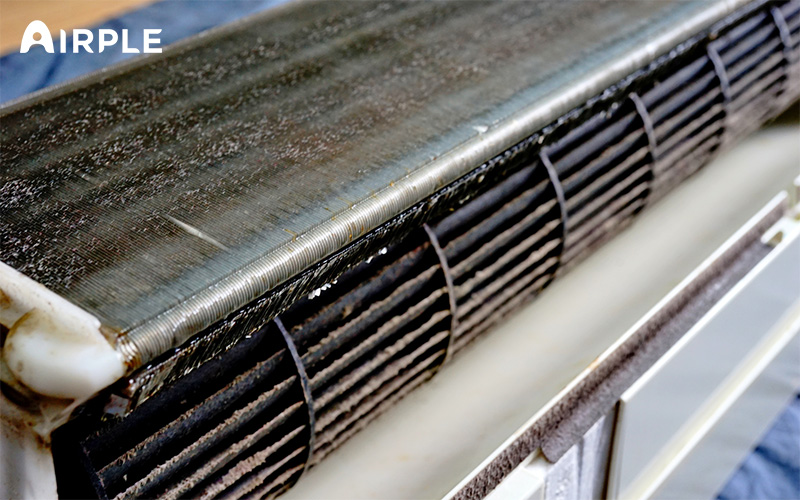
The evaporator coils in an air conditioning system are essential for cooling, but they can also become a breeding ground for mould and mildew if they are not maintained properly. During operation, these coils condense moisture from the air as part of the cooling process. While most of this moisture is drained away, some can remain on the coils, particularly if there is a build-up of dirt and dust.
This combination of moisture and debris creates the perfect environment for mould and mildew growth. Over time, the presence of these microorganisms can lead to air conditioner mildew smell that permeates your home. In addition to the unpleasant odour, dirty coils reduce the system’s efficiency by obstructing heat transfer, forcing the unit to work harder and consume more energy.
To prevent mould and mildew in your air conditioner, it is essential to clean the evaporator coils regularly as part of your routine air conditioner maintenance. Professional aircon coil cleaning services or specialised coil cleaners can ensure the removal of dirt and microbial build-up, enhancing both the performance and hygiene of your air conditioning system.
3.2. Condensate Drain Blockage
The condensate drain in your air conditioner is responsible for removing excess moisture produced during the cooling process. However, this critical component can become blocked over time due to dirt, algae, or mould build-up, leading to water pooling within the unit. When this happens, the stagnant water creates an ideal environment for mould and mildew growth, which often results in the dreaded air conditioner mildew smell.
Beyond causing unpleasant odours, a blocked condensate drain can also lead to water damage inside the system or your home, as well as reduced cooling efficiency. In severe cases, the backed-up water can trigger safety mechanisms that shut down the air conditioner entirely, leaving your home uncomfortable in warm weather.
To prevent these issues, regular maintenance of the condensate drain is crucial. Flushing the drain with a cleaning solution, such as a mixture of water and vinegar, can help clear minor blockages. For persistent or severe clogs, professional servicing from licensed air conditioning contractors may be required to ensure the drain is fully operational and free from obstructions.
Part 4: Identifying the Signs of Mildew Smell in Your AC

4.1. Persistent Musty Odour
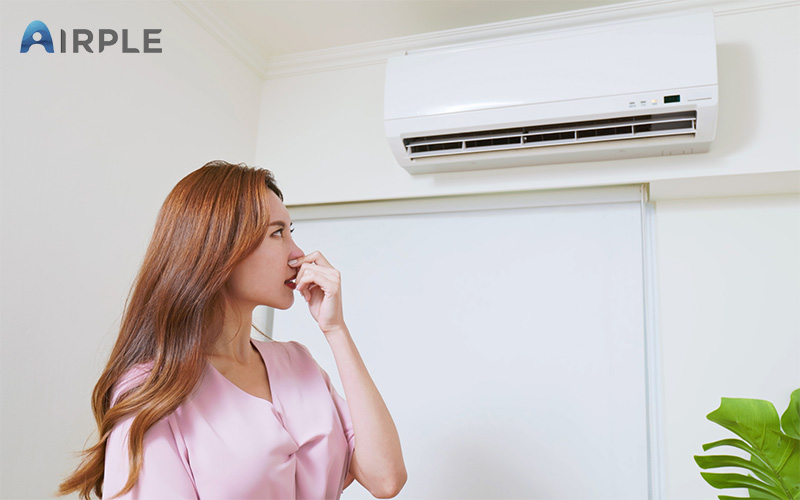
A persistent musty air conditioner mildew smell is one of the most telltale signs of mould in your air conditioner. This damp, earthy smell is typically caused by moisture build-up inside the system, which hastens the growth of mould and mildew on components like the evaporator coils or in the condensate drain. The smell is often most pronounced when the air conditioner is first turned on after being idle, as the initial blast of air carries the odour through your home.
If you detect this odour, you should investigate the source promptly. Regular aircon servicing and maintenance of filters, coils, and drains can prevent the accumulation of moisture and eliminate musty smells.
4.2. Decreased Air Quality
In addition to the air conditioner’s mildew smell, mould in your system can jeopardise your home’s air quality. As the air circulates through the system, mould spores and other allergens can spread throughout your living space. This can result in symptoms like coughing, sneezing, and irritated eyes, especially for individuals with allergies, asthma, or other respiratory conditions.
Poor air quality caused by mould growth can also create a feeling of stuffiness indoors, making the environment uncomfortable. Over time, this issue can exacerbate health problems, particularly for vulnerable family members such as children, the elderly, or pets.
If you notice persistent respiratory issues or a decline in air freshness, it is a clear sign that your air conditioning system may be circulating contaminants. Addressing the problem through regular maintenance—such as cleaning filters, unclogging drains, and inspecting components—can restore air quality and ensure a healthier home environment. Unfortunately, not all components can be reached, so there is only so much that regular maintenance can do before you require professional help.
Part 5: Solutions for Air Conditioner Mildew Smell
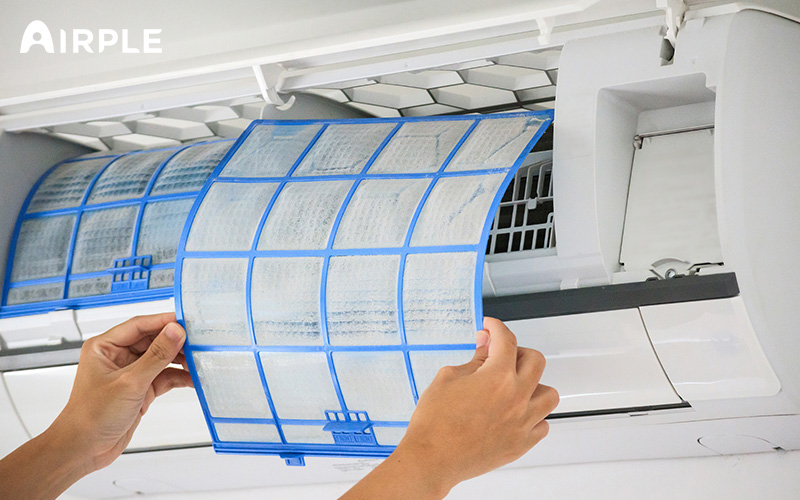
5.1. Cleaning and Replacing Air Filters
Cleaning or replacing air filters regularly is one of the simplest yet most effective ways to eliminate mildew smells from your air conditioner. Filters trap dirt, dust, and allergens, but when they become clogged, airflow is restricted, leading to moisture build-up and mould growth.
Preventing this is easy, but requires discipline—inspect and clean your air filters at least once a month and replace them every three months, or more often if your home is prone to dust. Clean filters are vital in keeping your air clean and optimising your air conditioner’s performance.
5.2. Regular Coil Cleaning
Keeping the evaporator coils clean is essential to prevent mould and mildew build-up, which is the main culprit behind your air conditioner’s mildew smell. Over time, these coils can accumulate dirt, dust, and moisture, creating the perfect environment for microbial growth.
To avoid this, include coil cleaning as part of your air conditioner’s regular maintenance. Use a specialised coil cleaner or hire a professional to thoroughly remove debris and disinfect the coils. Regular cleaning not only eliminates unpleasant smells but also improves the system’s efficiency, ensuring better cooling performance and extending the lifespan of your air conditioning unit.
5.3. Unclogging the Condensate Drain
To unclog the condensate drain, flush it with a cleaning solution like vinegar to clear any blockages and prevent water from pooling inside the unit. This helps maintain proper drainage and prevents moisture buildup, which can lead to mould growth. If the issue persists despite cleaning, it is best to consult air conditioning contractors for professional assistance to ensure your system functions properly and avoids further damage. Regular maintenance of the condensate drain is a great way to prevent air conditioner mildew smell.
Part 6: How Airple Can Help Solve Mildew Smell Problems
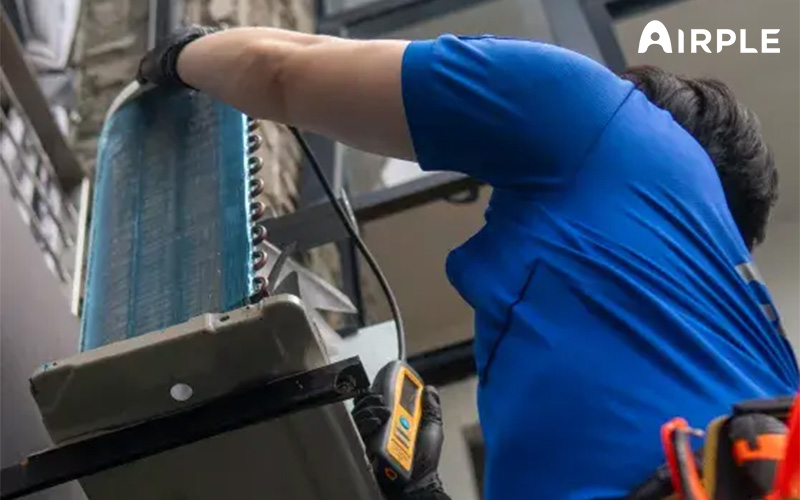
6.1. Professional Aircon Servicing
At Airple, we specialise in professional aircon servicing in Singapore, addressing issues like air conditioner mildew smells and other common problems. Our services include deep cleaning of filters, coils, and condensate drains to remove dirt and prevent blockages. We also provide disinfection to eliminate mould and other contaminants, ensuring healthier air quality. Additionally, our comprehensive inspections ensure your air conditioning system operates efficiently, helping to extend its lifespan and improve overall performance. You can definitely trust our expertise to keep your aircon in optimal condition for a comfortable and clean environment.
6.2. Preventative Maintenance Plans
Our customised preventative maintenance plans are designed to prevent issues like air conditioner mildew smell and ensure that your unit remains in optimal condition. We offer long-lasting solutions such as aircon chemical wash and condenser cleaning services , which remove dirt, mould, and grime that can cause air conditioner mildew smell and reduce efficiency. By scheduling regular maintenance, you can avoid breakdowns, extend the lifespan of your aircon, and improve air quality throughout the year. With our tailored plans, your system will stay in top shape, keeping your home or office comfortable and free from unwanted smells and contaminants.
FAQs
1. Why does my air conditioner smell like mildew?
Your air conditioner’s mildew smell is usually caused by mould or mildew growth inside the system. This can occur when moisture accumulates in the aircon unit, particularly in the evaporator coils, filters, or condensate drain. Stagnant water or poor drainage can create a damp environment where mould thrives, leading to the unpleasant smell. Other contributing factors can include dirty filters, which trap dust and moisture, and clogged condensate drains that prevent proper water flow. To eliminate the smell, regular cleaning and servicing are essential to remove the mould and prevent future growth.
2. How can I prevent mildew smells in my air conditioner?
To prevent mildew smells in your air conditioner, follow these steps:
- Regular Cleaning: Clean or replace air filters regularly to prevent dust and moisture buildup. Dirty filters can trap moisture, promoting mildew growth.
- Maintain Proper Drainage: Ensure the condensate drain is clear and functioning properly, preventing water from pooling inside the unit and causing mould growth.
- Use a Dehumidifier: Reduce excess moisture in the air by using a dehumidifier, especially in humid environments, to prevent moisture accumulation in the aircon.
- Aircon Chemical Wash: Consider professional cleaning, such as an aircon chemical wash, to remove mould, mildew, and grime from coils and internal components.
- Disinfection: Regularly disinfect your aircon to kill mould and bacteria, keeping the air fresh and clean.
3. How often should I clean my air conditioner?
It’s recommended to clean your air conditioner at least every 3 to 6 months, but the frequency can vary depending on usage, environment, and type of aircon:
- Filter Cleaning: Clean or replace filters every 1 to 3 months, especially if the aircon is used frequently or in dusty areas.
- Coils and Condensate Drain: Clean the evaporator coils and condensate drain every 6 months to prevent blockages and mould growth.
- Professional Servicing: Have a professional service your aircon annually for a deep clean, including an aircon chemical wash, to maintain efficiency and prevent major issues.
Regular maintenance keeps your aircon efficient, improves air quality, and extends its lifespan.
The mildew smell in air conditioners is a common issue caused by moisture, dirty filters, and blocked drains. These conditions create a damp environment where mould and mildew can thrive, leading to unpleasant odours. Regular maintenance and professional servicing are essential to address these issues, ensuring a healthier and more efficient cooling system.
By following these aircon smell solutions like cleaning filters, checking for blockages, and performing necessary disinfecting, you can prevent the smell and improve air quality. For expert assistance with aircon smell solutions, maintenance, or installation services, trust Airple to keep your system fresh and functional.
To learn more about our services, please contact us today.