Key Takeaways
- An aircon that is persistently leaking water often indicates issues such as blocked drainage, dirty filters, or low refrigerant levels.
- Regular maintenance and cleaning can prevent costly damage and extend the lifespan of your cooling unit.
- Professional servicing ensures accurate diagnosis and long-term solutions for common problems like water overflow, frozen coils, or faulty pumps.
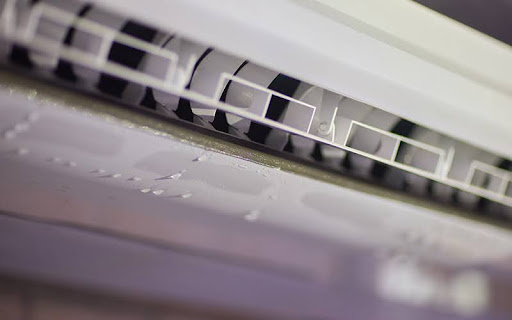
In Singapore’s warm and humid climate, a well-functioning air conditioner is essential for everyday comfort. When indoor temperatures spike or moisture levels rise, your cooling system works tirelessly to regulate your home environment. This also means that issues tend to surface more quickly, and one of the most common problems homeowners encounter is aircon leaking water. In mild cases, it appears as occasional moisture around the unit. In more severe situations, you may notice puddles forming on the floor or water streaming down the wall.
Why Your Aircon May Be Dripping or Leaking
More often than not, an aircon that is leaking water is triggered by multiple factors. Some are due to wear and tear, while others stem from environmental conditions, installation issues, or system malfunctions. Below are ten common reasons for aircon leaking water, along with explanations that help you recognise the warning signs early.
1. Clogged Drain Line
The drain line is designed to transport condensation away from the indoor unit. Dust, dirt, microbial growth, and Singapore’s high humidity all contribute to blockages. When this line becomes obstructed, water can no longer escape as intended. The moisture accumulates within the unit until it overflows, causing an aircon water leak.
A blocked drain line is one of the most frequent causes of aircon leaking because the blockage develops gradually. Homeowners may only notice the problem when water begins pooling beneath the unit. Clearing the line requires careful cleaning, which may involve suction tools or manual removal of debris.
Left unresolved, the blockage can worsen and potentially cause mould to develop along the moisture path. This is also where aircon cleaning plays an important role in preventing long-term issues.
2. Dirty or Overloaded Air Filters
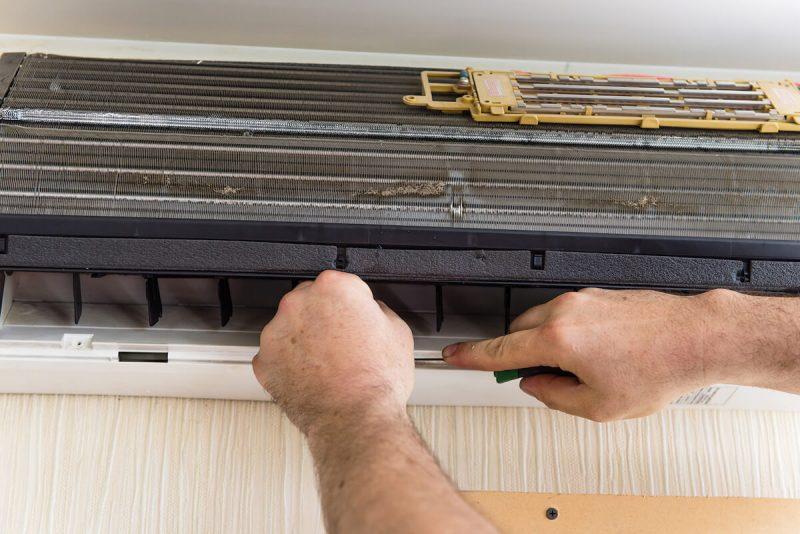
Air filters are the first line of defence against dust and airborne particles. However, filters often clog faster in tropical climates. A dirty filter restricts airflow across the evaporator coil. When this happens, the coil can become excessively cold and freeze.
Once the ice melts, the water volume exceeds what the drip tray can handle, eventually leading to water dripping from aircon systems. A severely blocked filter also places extra strain on the cooling cycle, reducing efficiency and increasing energy usage.
Cleaning or replacing the filters every one to three months is one of the simplest ways to prevent an aircon that is leaking water from freezing the coil.
3. Damaged or Misaligned Drain Pan
The drain pan collects condensate from the evaporator coil. Over time, it can crack, corrode, or shift out of position. Any damage prevents it from holding water properly, which results in an aircon water leak.
A misaligned pan allows water to bypass the drain outlet entirely. This can explain why your aircon is dripping water even if the rest of the system appears clean. Because the pan is typically hidden within the casing, identifying the issue often requires a professional inspection.
A damaged drain pan should be replaced promptly. Temporary patching can help, but it is not recommended for long-term use.
4. Improper Installation
An air conditioner must be installed at a controlled tilt so that water flows naturally towards the drainage outlet. If the unit is mounted unevenly, condensation may collect inside before spilling out, resulting in an aircon water leak. This problem is common in older homes or in systems that have undergone relocating or remodelling works.
Installation faults can also contribute to persistent aircon leaking water, particularly when the issue has been present since the first day of use. Ensuring proper alignment, secure brackets, and a clear drainage route prevents recurring leaks.
Poor installation is also a recognised reason why your air conditioner is leaking water, especially when combined with high daily usage.
5. Low Refrigerant Levels
Refrigerant is central to the cooling cycle. When a system loses refrigerant due to wear, damaged components, or micro-leaks, cooling efficiency drops. The evaporator coil becomes abnormally cold, leading it to freeze. As the ice melts, water spills out in larger volumes than the tray can handle, causing your aircon to leak water.
Signs of low refrigerant levels include weak cooling, unusual noises, warm air blowing from vents, or frost forming on pipes. Because refrigerant handling requires certification, this issue must be addressed by a trained technician rather than through do-it-yourself attempts.
Low refrigerant can directly cause your aircon to start leaking water and could even contribute to long-term system damage if ignored.
6. Frozen Evaporator Coils
Frozen coils can occur for several reasons: blocked airflow, malfunctioning components, or extended periods of high-demand cooling. When the coil temperature falls below the dew point, frost builds up. When the system cycles off or warms, the frost melts at once, producing more water than normal, which could potentially cause your aircon to leak water.
This can appear suddenly, especially after long hours of cooling during hot afternoons. Melting ice can then flow over the drainage system, leading to your aircon dripping water unexpectedly.
Regular maintenance prevents this issue by ensuring airflow and refrigerant levels remain balanced.
7. Faulty Float Switch
Air conditioners use float switches to monitor the water level within the drainage system. When the water reaches a certain height, the float switch initiates system shutdown to prevent overflow. If the switch is faulty, the system continues running, pushing more water into an already full pan.
Over time, this malfunction explains why your air conditioner is leaking water, even when no visible blockage is present. Because electrical components are sensitive, float switch repairs should be handled by professionals.
8. Condensate Pump Malfunctions
Some homes, especially those in high-rise buildings or with complex layouts, use condensate pumps instead of gravity drainage. When these pumps weaken or fail, collected water has nowhere to go, which causes your aircon to leak water.
As the system continues operating, water rises until it escapes from the casing, causing visible leakage. This problem can quickly escalate and requires a prompt diagnostic check from an aircon company capable of testing and replacing pump components safely.
9. Air Leaks Around the Unit
Air leaks along the casing or duct connection allow warm, humid air from the room to mix with cold metal surfaces inside the unit. This temperature difference triggers condensation in places not designed to carry water. The result can be small droplets escaping from unusual points along the unit, leading to aircon dripping that may appear inconsistent.
Sealing gaps and ensuring the unit is properly insulated helps restore correct airflow and condensation control.
10. Microbial Growth in the Drain Line
High humidity accelerates the growth of algae and biofilm within the drainage system. These micro-organisms create thick blockages that prevent water from moving freely. The buildup explains why your aircon continues to leak water even if filters and coils appear clean.
This issue often produces foul odours or slow drainage sounds. Chemical cleaning solutions or professional flushing may be required to completely remove the biofilm.
How to Troubleshoot Aircon Water Leaks
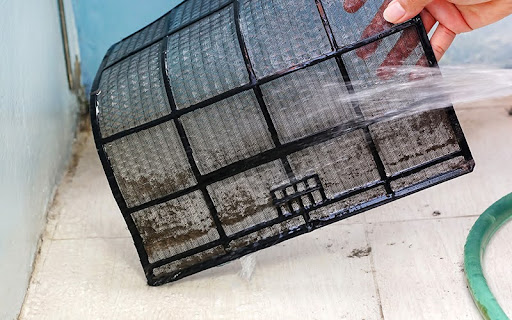
Understanding why your aircon is leaking is the first step. The next stage is knowing what you can safely check at home and when to seek professional help. Here are several practical steps you can take to fix an aircon water leak.
Step 1: Inspect and Clean the Air Filters
Cleaning filters is the easiest way to prevent your aircon from leaking water. Remove the filters, vacuum away dust, and wash with mild detergent if your model allows it. Ensure each filter dries completely before reinserting it.
This simple step boosts airflow, reduces coil freezing, and maintains cooling performance. Regular cleaning also helps prevent moisture buildup that leads to your water dripping from your aircon.
Step 2: Check the Drain Line for Blockages
A clogged drain line is a major factor behind why your aircon is leaking water. Look for signs of water pooling, slow flow, or musty smells. A wet-dry vacuum can help clear minor blockages. If the blockage persists, a technician should inspect the system thoroughly.
Routine clearing prevents moisture backflow and microbial accumulation, both of which contribute to your aircon leaking water over time.
Step 3: Look for Ice on the Evaporator Coil
If you suspect frozen coils, switch off the system and allow time for the ice to melt. Running the unit in this condition increases leakage and reduces efficiency. If ice returns shortly after restarting, this may indicate a deeper fault that requires aircon troubleshooting.
Frozen coils often link back to airflow restrictions or low refrigerant.
Step 4: Evaluate System Installation
If leakage began immediately after installation, the system may not be properly inclined. Installation issues are a recognised reason why your aircon is leaking water even when internal components are working correctly.
Seek a qualified installer to assess alignment, mounting brackets, sealing points, and drainage routing.
Step 5: Seek Professional Diagnosis for Pump or Switch Failures
Components such as condensate pumps and float switches involve electrical risk. If you notice intermittent leakage, inconsistent dripping patterns, or water after the system cycles off, a technician should check these components.
Professionals can also determine how to fix a leaking aircon safely when the problem stems from mechanical or electrical faults.
Preventing Future Leaks Through Regular Maintenance
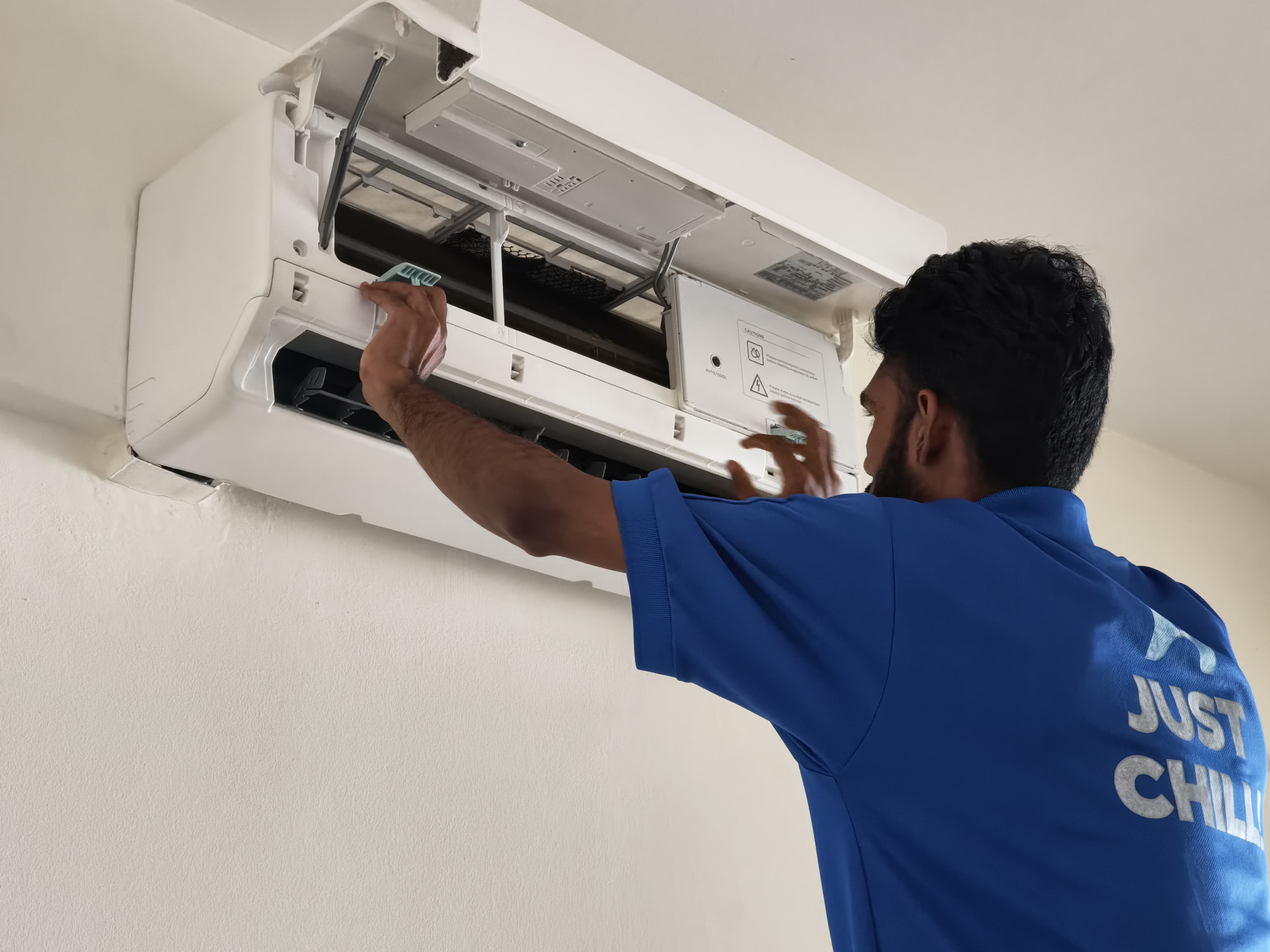
Prevention is easier than repair. Regular maintenance reduces the chances of sudden system faults and improves overall cooling efficiency. Combining simple homeowner practices with expert servicing ensures long-term reliability.
Clean the Filters Regularly
This prevents airflow restriction and minimises coil freezing.
Keep the Drain Line Clear
A clear drainage route protects your home from unexpected moisture.
Schedule Regular Professional Servicing
Servicing includes deep cleaning, performance testing, and inspection for refrigerant irregularities. It also reduces leakage risks linked to overlooked wear and tear.
Address Mould Early
Singapore’s humidity encourages mould growth inside aircon casings. Removing it early improves hygiene and prevents blockages that contribute to your aircon leaking water.
How Professionals Fix Aircon Water Leaks
When home troubleshooting is not enough, professional servicing becomes essential. Technicians follow structured diagnostic steps to identify and resolve leakage causes safely.
Cleaning or Replacing Air Filters
A thorough cleaning restores airflow and prevents recurring freeze-thaw cycles.
Repairing or Clearing the Drain Line
Professionals use specialised tools to remove deep clogs, flush out biofilm, and restore proper drainage.
Fixing Refrigerant-Related Issues
Licensed technicians locate leaks, repair damaged segments, and recharge the system accurately.
Replacing Faulty Drain Pans or Pumps
Old or damaged components are replaced to ensure proper water collection and removal.
Professional support is the safest way to determine how to stop your aircon from leaking water and prevent further system deterioration.
FAQs
How often should I clean my filters?
Filters should be cleaned every one to three months depending on usage, dust exposure, and indoor air quality.
Can I handle leakage repairs on my own?
Most issues require trained expertise because incorrect handling may worsen the problem. Minor cleaning is safe, but complex repairs should be left to professionals.
Is it safe to keep using the aircon while it is leaking?
Continuous use risks water damage, electrical hazards, and increased mechanical strain. Turn the system off until the cause is identified.
With Singapore’s frequent heat and humidity, air conditioners work hard every day. This makes leakage a common issue, but one that should never be ignored. Whether the problem stems from clogged filters, drainage issues, microbial buildup, or installation faults, identifying the reason behind why your aircon is leaking water and how you can fix it in a timely fashion.
Regular maintenance, proper cleaning, and professional assessment go a long way in preventing leaks and ensuring reliable cooling throughout the year. When uncertainties arise, trained technicians can diagnose an aircon that is leaking water, provide a reliable aircon leak fix, and restore long-term efficiency.
Here at Airple, we are committed to helping Singapore households maintain clean, safe, and efficient cooling systems. Our team delivers expert servicing, reliable diagnostics, and long-lasting solutions for any situation where your aircon is leaking water.
For professional guidance, system inspection, or long-term care, please contact us today.
Sign up for our newsletter
Get the best content on user insights, design, and product management delivered to your inbox every week.
Share This Article